
Choosing the right credit card is one of the most important decisions in your personal finances. However, the number of offers and comparisons causes confusion for many consumers. We want to change that! We not only offer you a detailed credit card comparison for Germany, but also valuable insights to help you find the right card for your individual needs.
See in 2 minutes which bank will actually approve your loan.
A transparent check against real bank lending criteria. Free, no SCHUFA entry, no fluff.
Kurz-Check: Welche Anbieter passen zu Ihnen?
2 Klicks, ohne persönliche Daten – so landen Sie direkt bei Anbietern mit den besten Zusage-Chancen.
1. Beschäftigung
2. SCHUFA
✓ Gute Voraussetzungen – nutzen Sie direkt den Bankenvergleich unten.
Diese Anbieter prüfen auch Ihre Situation
Werbehinweis: kredit-fuchs.de erhält von den genannten Anbietern ggf. eine Vergütung. Eine Kreditzusage kann nicht garantiert werden. Der Bankenvergleich unten steht Ihnen weiterhin offen.
The Basics of Credit Cards
What is a credit card?

A credit card is more than just a piece of plastic in your wallet. It is a financial instrument that allows you to buy now and pay later. The card issuer grants you a short-term credit line, so you can make purchases, pay for services or withdraw cash without needing immediate liquidity.
How do credit cards work?
The principle is simple: every time you use your card, the card-issuing bank advances the money for your transaction. At the end of the billing period, you receive a statement. With a classic charge card, the full amount is debited from your current account. With a revolving card, you can repay in instalments – the outstanding balance is then subject to interest, which is often considerably higher than for an instalment loan.
The different types of credit cards and what makes them stand out
Credit cards come in many different variants, each with its own merits and uses. Here is a brief overview:
- Standard credit cards: Ideal for everyday use, without specific rewards or discounts.
- Bonus or reward cards: Offer points, miles or cashback on card spending.
- Travel credit cards: Ideal for frequent travellers, with perks such as no foreign currency fees, travel insurance and airport lounge access.
- Business credit cards: Designed for the needs of businesses and freelancers, with dedicated expense reports and rewards programmes.
Each type of card has its own criteria and benefits, so it’s important to choose a card that fits your lifestyle and financial goals.
With that in mind, let’s dive deeper into the world of credit cards and find out how to find the best one for you.
Credit cards in Germany at a glance
Choosing the right credit card can be overwhelming, especially with the numerous options available on the German market. To make your decision easier, we explain the most important criteria for comparing credit cards in Germany. Here’s what you need to know:
Credit Card Test: What Really Matters
How good a credit card is depends on various factors, including fees, interest, rewards and additional services. Whether you are looking for a cashback card, a card for travellers or a premium card – a comparison based on these factors helps you find the offer that fits your needs.
Free Credit Cards
For those looking for a simple, cost-effective option, free credit cards are a good choice. They offer the basic functions of a credit card without an annual fee. Some even offer additional benefits such as cashback on your purchases or no fees for payments in foreign currencies.
The right credit card for specific needs
Not every credit card fits every lifestyle. These are the categories in which certain credit cards particularly shine:
- For travel: These cards offer travel insurance, no foreign currency fees, free cash withdrawals abroad, airport lounge access and bonus points for flight and hotel bookings.
- For everyday use: Ideal for daily purchases, sometimes with cashback on supermarket or petrol station spending.
- For online shopping: Special offers at selected online retailers, as well as increased protection for online transactions.
- Prepaid credit cards: In some cases, it makes sense for a card to be „topped up“ with money first. This is called a „prepaid“ credit card. Only the money that has been loaded onto it can be spent.
Each of these card types has advantages that make it ideal for the uses mentioned. By analysing your personal preferences and habits, you can choose the card that gives you the most benefit.
With this overview, we hope to have given you a clear starting point for your search for the right credit card. The right choice depends on your individual needs and financial goals. In the next section, we’ll take a closer look at the costs and fees that play an important role in choosing your credit card.
Costs and Fees: A Deciding Factor
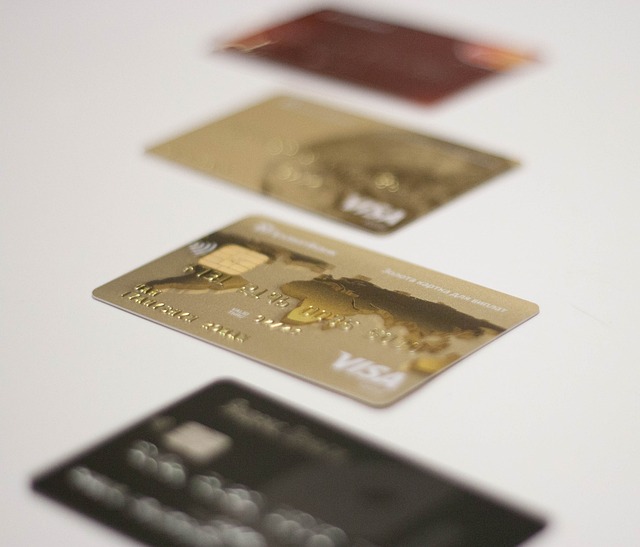
When comparing credit cards, the costs and fees associated with using the card are crucial. They can have a significant impact on the overall value of the card to you. Here is an overview of the most important cost types:
How much does it cost to pay by credit card in Germany?
There may be various fees associated with the use of a credit card, including:
- Annual fee: Some credit cards charge an annual fee, which varies depending on the card and the services offered.
- Foreign currency fees: Payments in currencies other than the euro may incur fees, typically a percentage of the transaction amount.
- Cash withdrawal fees: Withdrawing cash with your credit card can be expensive, as it often incurs fees and, with some cards, interest from the date of withdrawal.
Fee-free credit cards: which one is the best?
Fee-free credit cards without an annual fee are particularly attractive to users who want to use the basic features of a credit card at no extra cost. Some of these cards offer additional benefits such as cashback or no foreign currency fees, making them even more valuable.
Additional costs: Use abroad and more
In addition to the usual fees, you should also pay attention to costs incurred when using your card abroad or for special services:
- Foreign transaction fees: These are charged when you pay in a foreign currency outside the euro area. Payments in euros within the EU may not cost more than domestic payments.
- Costs for special services: These include fees for replacement cards, late payments or exceeding your credit limit.
To get the best terms, it’s important to take a close look at each card’s fee structure and match it to your own usage habits. A thorough comparison can help you find a card that suits your needs without incurring unnecessarily high costs.
With a clear understanding of the costs and fees of different credit cards, you’ll be well-equipped to make an informed decision. In the next section, we answer some of the most common questions about credit cards in Germany.
FAQ: Frequently asked questions about credit cards in Germany
When looking for the ideal credit card, numerous questions often arise. Here we answer some of the most common ones to help you make better-informed decisions.
How many credit cards can you have in Germany?
In Germany, there is no legal limit to the number of credit cards a person can hold. However, it is important that you stay in control of your finances and pay your bills on time to avoid any negative impact on your SCHUFA score.
Which fee-free credit card is the best?
The „best“ fee-free credit card depends on your individual needs and usage habits. Some cards offer additional benefits such as cashback or travel insurance, while others offer a simple structure at no extra cost. Compare the available options to find the card that suits you best.
Are 2 credit cards bad for my SCHUFA?
Two credit cards in themselves are not necessarily bad for your credit rating. What matters more is how you use them. Here are some points to consider:
- Usage and payment history: If you use your credit cards regularly and always pay your bills on time and in full, this can have a positive effect on your creditworthiness. A good payment history is taken into account by SCHUFA.
- Credit card utilisation: A high amount used in relation to your credit limit (e.g. 80% or more) can be viewed negatively. It is advisable to keep your utilisation under control.
- Number of credit cards: Two credit cards are usually unproblematic. However, many credit cards can cause banks to question your financial discipline, especially if several cards have high credit limits at the same time.
- Applications and new contracts: If you regularly apply for new credit cards, these applications and new contracts can also affect your SCHUFA score. It is advisable to keep such applications to a minimum.
Overall, it is important to use credit cards responsibly. If you make your payments on time and do not overuse your credit limits, two credit cards should not negatively affect your credit rating. You can request a free copy of your SCHUFA data at any time (Art. 15 GDPR) to check your entries.
What do I need to look for in a credit card?
Important factors include annual fees, interest rates for instalment repayment, fees for foreign currency transactions and cash withdrawals, cashback or bonus programmes, as well as additional benefits such as travel insurance.
Which credit cards are accepted in Germany?
Visa and Mastercard are the most widely accepted cards in Germany. American Express and Diners Club are accepted in fewer places.
With these answers, we hope to have clarified some of your questions. Credit cards offer a variety of benefits and features tailored to different needs. In the next section, we’ll take a look at the credit card brands and card types in Germany to give you a more comprehensive overview.
Credit card providers and brands in Germany
The choice of credit cards in Germany is large and varied: direct banks, savings banks, cooperative banks, private banks and fintechs all issue cards. Understanding the key card brands and types can help you make the best choice for your needs.
Overview of credit card brands
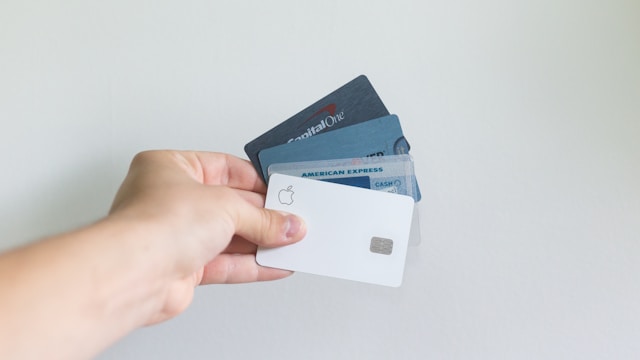
In Germany, the most widely used credit card brands are Visa and Mastercard, followed by American Express. Each of these brands is available in a wide range of card options, from basic versions with no annual fee to premium cards with extensive rewards programmes and insurance benefits.
- Known for their global acceptance and security, Visa and Mastercard cards are issued by numerous German banks and cater to different customer segments.
- American Express, often known as Amex, stands out for its own rewards system and exclusive offers for cardholders.
Comparison of credit card types
When comparing offers, consider the annual fee, the repayment method, interest rates, rewards programmes and additional benefits such as insurance. The following overview shows the card types common in Germany:
| Card type | Annual fee | Repayment | Typical features | Suitable for |
|---|---|---|---|---|
| Charge card (Visa / Mastercard) | Free to moderate, depending on the bank | Full amount debited once a month from your current account | No interest if the balance is settled in full | Everyday use, online shopping |
| Revolving credit card | Often free | Instalment repayment possible | Interest on the outstanding balance, usually well above instalment loan rates | Only for disciplined users who repay quickly |
| Debit card (Visa Debit / Debit Mastercard) | Often included with the current account | Immediate debit from the current account | Accepted like a credit card, including online | Everyday use without a credit line |
| Prepaid card | Low or none | Pre-loaded credit only | Often available without a SCHUFA check, full cost control | Young adults, people with limited creditworthiness |
| Travel credit card | Often free | Depending on the card | No foreign currency fees, free cash withdrawals abroad | Travellers and people who often pay in foreign currencies |
| Premium card (Gold / Platinum, Amex) | Higher annual fee | Depending on the card | Insurance packages, lounge access, points or miles programmes | Frequent travellers with high card spending |
| Co-branded card (airline, retailer, loyalty programme) | Varies | Depending on the card | Miles, points or discounts with the partner | Regular customers of the partner company |
Choosing the right credit card depends on your personal and financial needs. Do you want a simple card for everyday purchases or a premium card with extensive additional services? The answers to these questions will help you make an informed decision.
In the next section, we’ll take a closer look at the benefits and loyalty programmes that can help you get the most out of your credit card.
Benefits and Bonus Programmes
Choosing a credit card isn’t just about cost. Benefits and loyalty programmes play a crucial role in how valuable a card can be to the cardholder. Here are some of the key benefits credit cards can offer and how to get the most out of them.
Credit cards with loyalty programmes
Loyalty programmes reward you with points, miles or cashback for using your credit card. The most attractive programmes offer:
- Cashback: A refund of a percentage of your spending, credited directly to your card account.
- Points programmes: Earn points for every euro spent, which can be exchanged for goods, services or airline miles.
- Travel miles: Perfect for frequent travellers, these cards earn miles that can be redeemed for flights, upgrades and other travel services.
The best choice depends on your personal spending habits and preferences. Some cards offer flexible reward options that combine these benefits.
Additional credit card services
In addition to bonus programmes, many credit cards offer other benefits that can increase their value:
- Travel insurance: Many credit cards include travel insurance, such as trip cancellation and international health insurance, which provides additional protection while travelling.
- Purchase protection: Protection against theft, damage or loss of goods purchased with the card.
- Access to airport lounges: Premium credit cards often offer free or discounted access to airport lounges worldwide.
- Exclusive offers and discounts: Partnerships with retailers, restaurants and other service providers give cardholders special discounts and offers.
These extras can be especially valuable if they match your needs and lifestyle. Similar to comparing loans, it is worth carefully comparing the offers of different cards to find the one that gives you the greatest benefit.
The right credit card with the right benefits and rewards can be a great way to get value out of your day-to-day spending. However, be sure to read the terms and restrictions of these offers to make sure they meet your expectations.
Now that we’ve looked at the benefits and rewards programmes, let’s turn to the security aspects and protections that are important for credit card holders.
Credit Card Security and Safeguards
In an age where online transactions are everywhere, credit card security is more important than ever. Fortunately, modern credit cards offer a variety of security features that protect your money and personal information – including strong customer authentication for online payments, as required in the EU.
Insurance and protection
Many credit cards include insurance and protection, which can provide a valuable safety net in unexpected situations:
- Fraud protection: If your card is stolen or used for fraudulent transactions, you are generally not responsible for unauthorised payments.
- Limited liability: In Germany, your liability for a lost or stolen card before you report it is limited by law to a maximum of 50 euros, unless you acted with gross negligence. Have your card blocked immediately, e.g. via the central blocking number 116 116.
- Travel insurance: This can provide protection in the event of trip cancellation, trip interruption, loss of baggage and other unforeseen events.
Tips for using credit cards safely
In addition to the security measures built in by the providers, there are steps you can take yourself to increase your credit card security:
- Regularly monitor your account activity: Keep an eye out for unusual transactions and report them to your card issuer immediately.
- Use strong passwords and two-factor authentication: Secure your online accounts with strong, unique passwords and enable two-factor authentication wherever possible.
- Be careful when shopping online: Only use your credit card on trusted websites and make sure your connection is secure (HTTPS).
- Keep your card details safe: Never share your card details openly and keep physical cards in a safe place.
Combining these measures with the protection provided by your card ensures a high level of security and protects you from financial loss.
In the next section, we look at the acceptance and uses of credit cards to give you a complete overview of how and where to use your card, both in Germany and abroad.
Acceptance and possible applications
Credit card acceptance has increased worldwide, and the flexibility cards offer makes them an essential financial tool for many people. However, there are still differences in acceptance depending on the card and the location. Here’s an overview of what you should know.
Credit card acceptance in Germany and abroad
In Germany, card payments are now accepted in most supermarkets, petrol stations, hotels and online shops, although some smaller shops and restaurants still prefer cash or the girocard. Visa and Mastercard are accepted almost everywhere, while American Express and Diners Club can be used in fewer places. If you travel abroad, Visa and Mastercard enjoy almost worldwide acceptance, making them a good choice for travellers.
Mobile payment services and credit cards
The integration of credit cards with mobile payment services such as Apple Pay, Google Pay and Samsung Pay has made using credit cards even more convenient. These services allow you to store your card securely on your smartphone and pay with a simple tap or facial recognition. Mobile payment is growing both in Germany and internationally, making it a convenient option for fast and secure transactions.
Applying for Credit Cards: A Guide
Applying for a credit card is a relatively simple process, but there are some important steps and considerations.
The credit card application process
- Compare your options: Start with a thorough comparison of available credit cards to find the one that best suits your needs.
- Check the requirements: Make sure you meet the card’s requirements, such as regular income and a good credit rating.
- Submit the application: Most applications are made online today; identity is usually verified by video ident, online ID function or PostIdent. You will need to provide personal information and sometimes proof of income.
- Wait for approval: After checking your details and SCHUFA information, the issuer decides whether you will receive the card. This can take anywhere from a few days to a few weeks.
Requirements for a credit card in Germany
In Germany, applicants must meet various requirements in order to get a credit card. Here are the most important criteria:
- Age: You must be at least 18 years old. Some banks also offer cards for minors, but usually only as prepaid or debit cards and with the consent of a parent or guardian.
- Income: A regular income is usually required. Many banks ask for proof of income to ensure that you are able to pay your bills.
- Credit rating: A good credit rating is crucial. Banks generally check your SCHUFA file to assess your creditworthiness. Negative SCHUFA entries usually lead to rejection – a prepaid card may then be an alternative.
- Residence: You must be resident in Germany. This is important for the identity check and the contract.
- Proof of identity: When applying, you must present a valid ID card or passport. Non-EU citizens usually also need their residence permit.
Conclusion: How to choose the right credit card?
Choosing the right credit card depends on a number of personal factors, including your financial habits, needs and goals. Consider each card’s annual fee, interest rates, rewards and security features to make a decision that suits your needs. Remember that a credit card is a tool that, if used responsibly, can increase your financial flexibility and provide valuable benefits. If you have any questions, we will be happy to answer them by e-mail. Write to info@kredit-fuchs.de